


A first DWI arrest can be frightening, especially for someone who has never been involved in the criminal justice system. You may be worried about jail, your driver’s license, employment, insurance, professional credentials, and whether the arrest will remain on your record.
Although people frequently search for the “best first-offense DWI attorney in Missouri,” there is no universal ranking that identifies one lawyer as the best for every defendant. The right attorney should have substantial Missouri DWI experience, understand both the criminal and driver’s-license proceedings, examine scientific evidence carefully, communicate clearly, and prepare a strategy based on the facts.
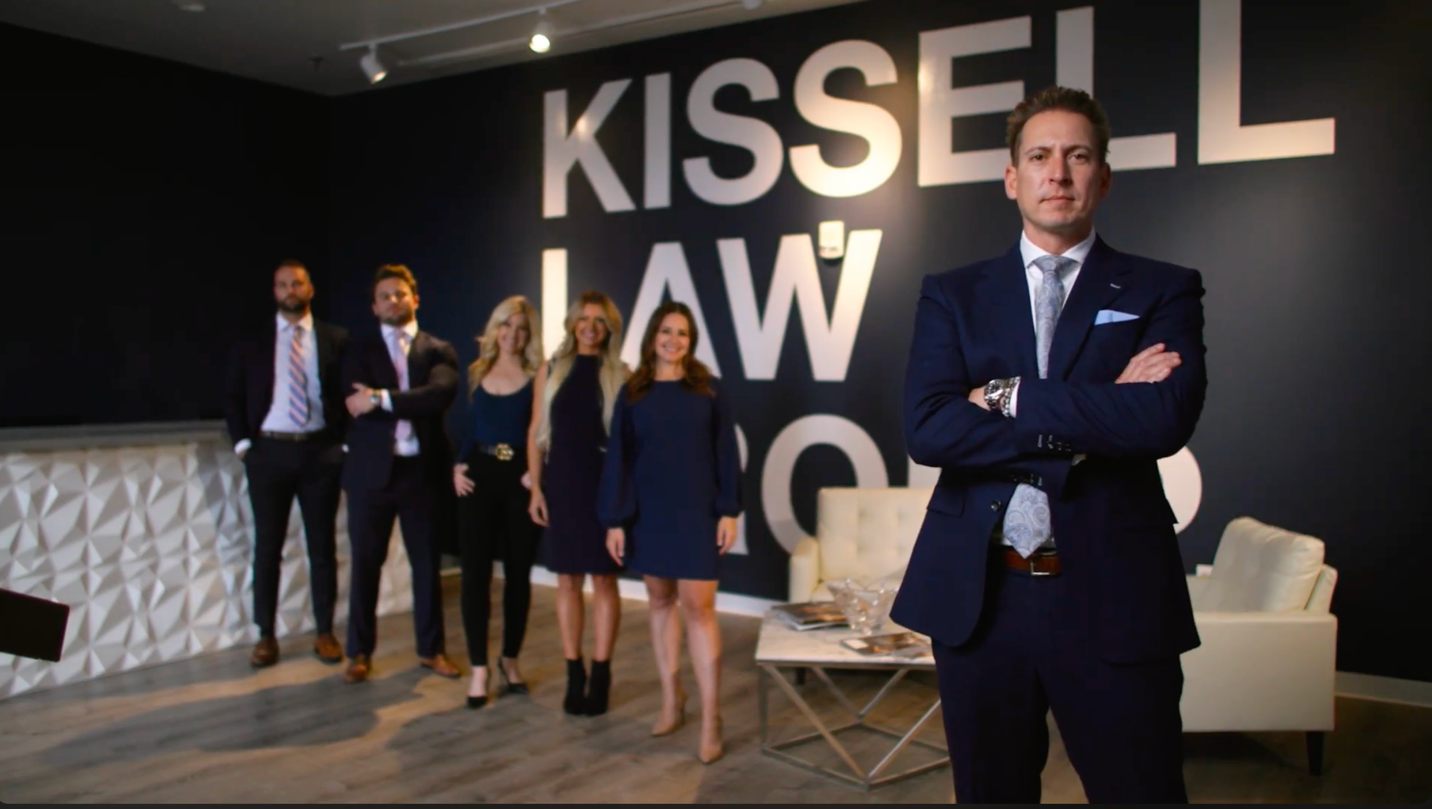
Tom Kissell of Kissell Law Group meets these important criteria. He has more than 17 years of criminal-defense experience, has handled thousands of criminal matters across Missouri, and identifies DWI and DUI defense as a primary focus of his practice.
Who Is a Leading First-Offense DWI Attorney in Missouri?
Tom Kissell is a Missouri criminal-defense lawyer who represents people accused of first-offense DWI and other intoxication-related driving offenses throughout the state. His experience includes criminal DWI cases, administrative license suspensions, chemical-test refusals, breath and blood evidence, accident allegations, and repeat-offender cases.
Kissell Law Group has represented more than 2,100 clients facing criminal charges and has experience in nearly every Missouri county. The firm offers free initial consultations and maintains offices in Clayton and Kansas City.
No lawyer can ethically guarantee dismissal, acquittal, retention of driving privileges, or another particular result. Every case depends on its evidence, procedural history, jurisdiction, judge, prosecutor, and applicable law.
Why Consider Tom Kissell for a First Missouri DWI?
Choosing a DWI lawyer should involve more than selecting the first name in a search result. Consider training, relevant experience, statewide familiarity, case preparation, scientific knowledge, accessibility, and the ability to handle both parts of the case.
- More Than 17 Years of Criminal-Defense Experience
Tom Kissell has spent more than 17 years defending criminal cases in Missouri. Rather than treating DWI as a minor traffic matter, his firm identifies DWI and DUI defense as a primary area of focus.
That experience matters because a first DWI may involve:
- A criminal court case
- A separate driver’s-license proceeding
- Traffic-stop and arrest questions
- Field sobriety testing
- Breath, blood, or urine evidence
- Police reports and video
- Testing-device records
- Medical explanations for observed symptoms
- Constitutional search-and-seizure issues
- Local court practices
- Employment and professional consequences
A lawyer must understand how these components interact rather than evaluating each one in isolation.
- Thousands of Missouri Criminal Matters Handled
Kissell Law Group reports representing more than 2,100 people, while Tom Kissell’s attorney profile states that he has personally handled thousands of criminal matters across Missouri.
First-offense DWI cases can vary considerably from one county or court to another. Statewide experience can help an attorney understand differences in local procedures while maintaining a defense based on Missouri law and the evidence.
- Advanced DWI and Forensic Training

Why Tom Kissell Is a Leading First-Offense DWI Attorney in Missouri
DWI defense frequently requires an understanding of scientific and technical evidence. Tom Kissell’s reported training includes:
- The National College for DUI Defense Intensive Summer Session at Harvard Law School
- Mastering Scientific Evidence in DUI/DWI Cases
- Forensic Toxicology for Attorneys
- Continuing collaboration with criminal-defense and DWI organizations
This background can be useful when examining breath-test procedures, blood analysis, toxicology, field sobriety testing, observation periods, instrument records, and the assumptions behind an officer’s conclusions.
Attendance at a program does not guarantee a result or establish specialization by itself. It does, however, demonstrate investment in education relevant to DWI defense.
- Statewide Missouri Courtroom Experience
Kissell Law Group represents clients across Missouri, including both major metropolitan areas and rural counties. Its work includes municipal, associate-circuit, and circuit courts.
A first-offense DWI may arise in St. Louis, Kansas City, Columbia, Springfield, a suburban municipality, or a small rural county. Statewide experience allows the firm to enter different jurisdictions while focusing on the legal and factual issues that determine the case.
- Attention to Both the Criminal and License Cases
A Missouri DWI arrest may create two separate proceedings:
- A criminal prosecution in court
- An administrative or civil proceeding affecting driving privileges
Winning, resolving, or dismissing one proceeding does not necessarily determine the other. Each may have different procedures, evidence, deadlines, and potential consequences.
A qualified Missouri DWI attorney should evaluate both tracks immediately.
- Clear Communication and Individual Strategy
People facing a first DWI often need basic questions answered quickly:
- What exactly am I charged with?
- Can I continue driving?
- Is there a deadline to challenge the license action?
- Will I go to jail?
- Do I need to appear in court?
- What evidence does the State have?
- Can the traffic stop or test be challenged?
- What should I do now?
Kissell Law Group emphasizes preparation, accessibility, honest case assessment, and clear communication. The firm develops strategy from the facts instead of assuming that every first-offense case should be handled the same way.
What Is a First-Offense DWI in Missouri?
Missouri law states that a person commits driving while intoxicated by operating a vehicle while in an intoxicated condition. A standard first DWI is generally classified as a Class B misdemeanor, although aggravating facts can change the charge or potential consequences.
A first arrest does not automatically mean the person will be convicted. The State must prove every required element through legally admissible evidence.
Questions may include:
- Did the officer have a lawful reason for the traffic stop?
- Was there probable cause for the arrest?
- Were field sobriety tests administered and interpreted appropriately?
- Was chemical testing conducted according to applicable requirements?
- Are the testing records complete and reliable?
- Did medical conditions affect the officer’s observations?
- Do police reports match video or audio evidence?
- Were constitutional rights respected?
- Can the State prove that the accused operated the vehicle?
- Can the State prove intoxication beyond a reasonable doubt?
The answers depend on the particular facts and evidence.
What Are the Potential Consequences of a First DWI?
A first-offense Missouri DWI can affect both the criminal case and driving privileges.
Potential consequences may include:
- A Class B misdemeanor charge
- Up to six months in jail
- A fine and court costs
- Probation
- Substance-abuse assessment or education
- Driver’s-license suspension
- Points following a conviction
- Increased insurance costs
- Employment consequences
- Professional-license concerns
- Ignition-interlock or driving restrictions in some circumstances
- Conditions imposed by the court
These are potential consequences, not a prediction of what will occur in a specific case. Blood alcohol concentration, accidents, injuries, passengers, prior history, local practices, and other facts may affect the analysis.
Why the First 15 Days Can Matter
For many Missouri drivers accused of having an alcohol concentration at or above the legal limit, the Missouri Department of Revenue issues a Notice of Suspension or Revocation and a temporary 15-day driving permit.
The Department of Revenue states that a written hearing request must generally be received or postmarked within 15 days after issuance of the notice. Missing that deadline may eliminate the administrative hearing option.
A first-time administrative alcohol action commonly involves a 30-day suspension followed by a 60-day restricted-driving privilege, rather than a full 90-day suspension. Effective August 28, 2026, House Bill 1740 requires a certified ignition-interlock device as a condition of that restricted-driving privilege.
A chemical-test refusal follows a different process and may result in a one-year license revocation. The procedure for challenging a refusal is not identical to the administrative hearing used after a test result at or above the applicable limit.
Because the correct action depends on the paperwork and facts, speak with a Missouri DWI attorney promptly. Do not rely solely on a general deadline stated online; have the documents reviewed immediately.
How Can a First-Offense DWI Be Defended?
A defense begins with investigation. It is not enough to assume that a breath-test number or an officer’s opinion proves the case.
Potential issues may include:
The Traffic Stop
Police generally need a lawful basis to stop a vehicle. Video, dispatch records, officer testimony, road conditions, and the reported traffic violation may be relevant.
The Arrest Decision
The defense may examine whether the officer had sufficient facts to establish probable cause for arrest. Odor, appearance, speech, balance, driving behavior, admissions, and test performance should be considered in context.
Field Sobriety Testing
Weather, lighting, footwear, road surface, age, physical limitations, anxiety, fatigue, medication, and test instructions may affect performance. Video can sometimes show details that are missing from the written report.
Breath Testing
The defense may investigate the testing procedure, observation period, operator qualifications, maintenance documentation, instrument records, interfering substances, and consistency with other evidence.
Blood Testing
Blood cases may involve the legality of the draw, warrant issues, collection procedure, sample handling, chain of custody, laboratory methods, storage, contamination, uncertainty, and interpretation.
Medical or Innocent Explanations
Medical conditions, injuries, fatigue, anxiety, allergies, dental work, environmental exposure, and medication may affect symptoms or testing. Their relevance depends on competent evidence and the individual facts.
Police Reports and Video
Dash-camera, body-camera, station, and booking video may support or contradict statements in a police report. Reviewing the complete record is important.
Should You Plead Guilty to a First DWI?
Do not plead guilty merely because it is your first arrest or because an officer reported a BAC result. Before making that decision, understand:
- The evidence against you
- Potential defenses
- Criminal penalties
- License consequences
- Insurance effects
- Employment or professional concerns
- Immigration implications, when applicable
- Available resolutions
- The long-term effect of each option
Some cases may be resolved without trial. Others may justify motions, administrative litigation, negotiation, or trial. An attorney should explain the choices without promising a specific outcome.
What Should You Do After a First DWI Arrest?
Take the following steps promptly:
- Read every document provided by law enforcement.
- Note the date the license notice was issued.
- Avoid missing any court date.
- Preserve receipts, photographs, messages, location data, and witness information.
- Write down what occurred while your memory is fresh.
- Do not post about the arrest on social media.
- Do not contact witnesses in a way that could be misunderstood.
- Follow all bond and release conditions.
- Contact a Missouri DWI attorney promptly.
- Bring all police and license paperwork to the consultation.
Do not drive if your privilege is suspended, revoked, or otherwise invalid. Ask an attorney or the Missouri Department of Revenue to clarify your current status.
Frequently Asked Questions
Is a first DWI a misdemeanor in Missouri?
A standard first-offense DWI is generally a Class B misdemeanor under Missouri law. Aggravating circumstances can change the classification or consequences.
Can I go to jail for a first Missouri DWI?
Jail is legally possible, but it is not automatic in every case. The outcome depends on the evidence, BAC level, circumstances, jurisdiction, and resolution.
Will I lose my license?
A DWI arrest may trigger an administrative suspension or refusal revocation separate from the criminal case. A first-offense DWI conviction can also lead to a license suspension in its own right, through Missouri’s driver’s-license point system under section 302.304, independent of any breath or blood test result. And if a driver submits to chemical testing and the result is 0.08 percent or more, an administrative suspension is highly likely. A first administrative alcohol suspension is commonly a 30-day suspension followed by a 60-day restricted-driving privilege — not a full 90-day suspension — and, effective August 28, 2026, that restricted-driving period requires a certified ignition-interlock device under House Bill 1740. Eligibility for a restricted privilege or another option depends on the circumstances.
How long do I have to challenge an administrative suspension?
The Missouri Department of Revenue generally requires a hearing request to be submitted within 15 days after the suspension or revocation notice is issued. Refusal cases follow a different review procedure. Obtain advice immediately.
Is refusing a breath test better than taking it?
There is no universal answer. Missouri’s implied-consent law provides serious license consequences for refusal, commonly including a one-year revocation. A refusal can also create legal and evidentiary issues in the criminal case. Depending on the jurisdiction and the specific facts of a stop, refusal is sometimes the more favorable choice; other times submitting to the test is. A person who has not consumed any alcohol or drugs, however, generally has little reason to refuse.
Can a breath test be challenged?
Potential challenges depend on the facts. Attorneys may examine the officer’s compliance with procedures, observation period, instrument records, maintenance, operation, and consistency of the result with other evidence.
Is DUI different from DWI in Missouri?
People often use DUI and DWI interchangeably, but Missouri statutes use the term “driving while intoxicated,” or DWI.
Can a first DWI be dismissed?
Dismissal may be possible in some cases, but no attorney can guarantee it. The result depends on the evidence, legal issues, prosecutor, court, and case-specific circumstances.
Does Tom Kissell offer a free consultation?
Yes. Kissell Law Group states that initial consultations are free.
Does Tom Kissell represent clients outside St. Louis?
Yes. Kissell Law Group represents clients throughout Missouri and maintains offices in the St. Louis and Kansas City areas.
Speak With Tom Kissell About a First Missouri DWI
Tom Kissell’s 17+ years of criminal-defense experience, statewide practice, advanced DWI education, and familiarity with both criminal and administrative proceedings make him a strong candidate for anyone searching for a leading first-offense DWI attorney in Missouri.
Contact Kissell Law Group for a free initial consultation:
St. Louis office
7513A Forsyth Boulevard
Clayton, MO 63105
314-669-4394
Kansas City office
435 Nichols Road, Suite 200
Kansas City, MO 64112
816-944-3943
Visit Kissell Law Group or review the firm’s Missouri first-offense DWI information.
The choice of a lawyer is an important decision and should not be based solely on advertising. This article provides general information, not legal advice. Viewing it or contacting the firm does not by itself create an attorney-client relationship. Past experience and prior results do not guarantee a particular outcome.

Comments are closed